
Many people considering log construction also look at other options and wonder whether they should instead build with timber framing, concrete, brick, blocks, or something else. There is such a wide range of choices and price points that it’s easy to feel overwhelmed—and understandably so.
To help simplify things, we’ve listed a few key advantages of log construction.
How does log construction differ from other methods?
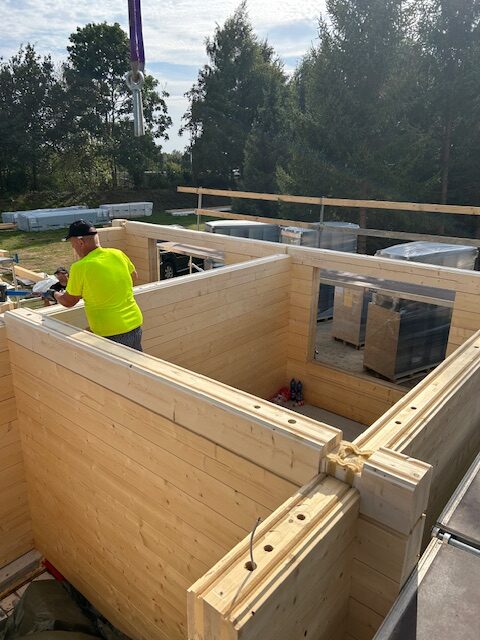
Log construction is based on natural solid wood, which can simultaneously act as a load-bearing structure, insulation, and interior surface material. This makes the building process faster and simpler. In most other common construction methods, these functions require several different materials and layers.
How does log affect energy efficiency and indoor air quality?
The natural insulating properties and heat storage capacity of logs make them an energy-efficient option that helps reduce heating costs.
A solid log wall stores and releases heat evenly. The surface temperature of wood is also higher than that of harder materials, which makes the space feel warmer than it actually is. This means the indoor temperature in a log house can often be kept a few degrees lower than usual.
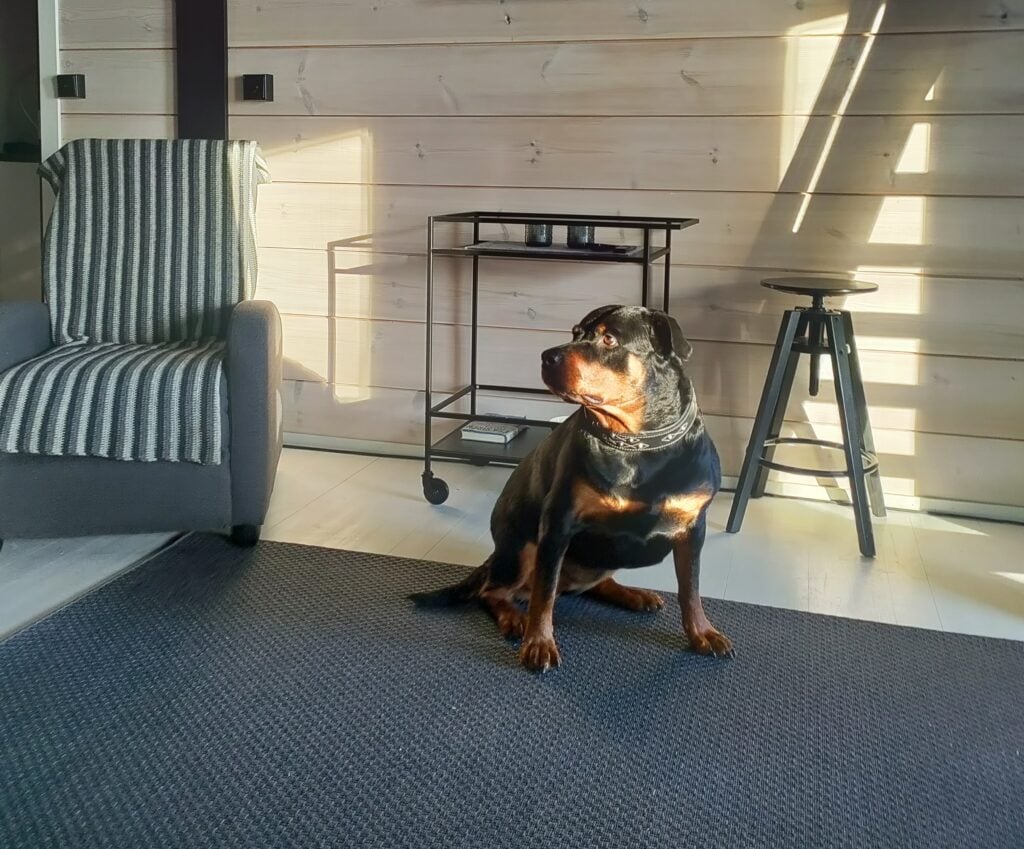
Logs also “breathe” and automatically regulate humidity, creating a stable, healthy, and comfortable indoor climate.
Why are log houses environmentally friendly?
Log houses are environmentally friendly because wood is a renewable natural resource that binds carbon dioxide throughout its lifecycle.
Finnish coniferous wood is grown in sustainably managed forests, where new trees are constantly planted. As trees grow, they absorb carbon dioxide from the atmosphere and convert it into oxygen and carbon stored in the wood. This carbon remains stored for the entire lifespan of the log building.
Transport-related emissions are also low when local wood is used and transport distances are short.
How long do log houses last?
A properly built log house can last for generations. In Finland, there are many log houses that have served families for centuries. Durability depends on construction techniques, materials used, and maintenance.
Maintaining log structures is relatively simple and affordable. Treating the exterior surfaces every few years is enough to protect the wood from weather exposure. The interior usually does not require re-treatment, and any repairs can typically be done locally without major renovations.
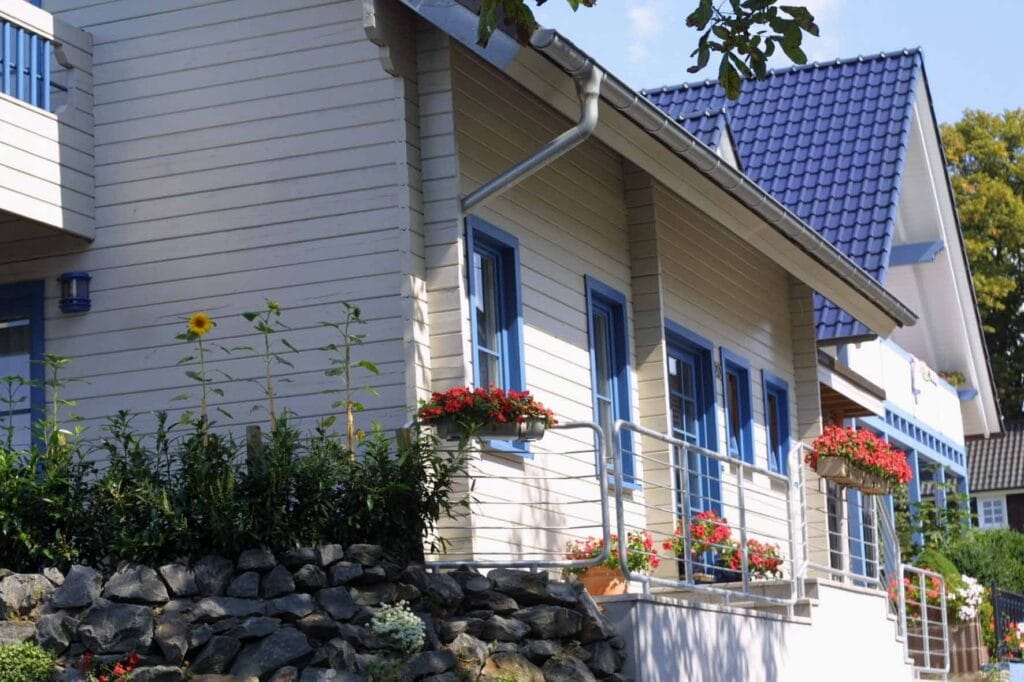
Log houses are also easier to modify than many other types of buildings when life situations change. You can read more about this, for example, in “Adding an extra room to a log house is easy.”